

 Italiano
 Français
 Español
 English
 Deutsch
 العربية


UNICOIL has two laboratories: one for testing galvanized steel products and another for pre-painted galvanized steel products. Both laboratories have state-of-the-art facilities sourced from renowned agencies from USA and UK to carry out the testing and evaluation of galvanized and pre-painted steel products.
The quality management system at UNICOIL ensures periodical maintenance and calibration of equipment to ensure the accuracy and reliability of testing. The UNICOIL laboratory participates in periodic “Proficiency Test Programs” of ASTM International, a program in which more than 100 laboratories worldwide participate in testing unknown samples to ensure accuracy and reliability of testing at an international level. UNICOIL Laboratories are accredited with ISO17025-2017, from Emirates International Accreditation Center. UNICOIL is the first company that received such accreditation in the flat steel industry within Middle East.


UNICOIL has in-house, state-of-the-art quality assurance laboratory equipment to perform the tests described below:
| Test | ASTM Standard | Standard Description |
| Coating Mass | ASTM A90/A90M | Standard Test Method for Weight [Mass] of Coating on Iron and Steel Articles with Zinc or Zinc-Alloy Coatings |
| Thickness measuerment | ASTM A1073/A1073 | Standard Practice for Using Hand Micrometers to Measure the Thickness of Uncoated Steel Sheet and Nonmetallic and Metallic-Coated Steel Sheet |
| Width Measuerment | ASTM A1087/A1087M | Standard Practice for Using Hand Calipers to Measure the Width of Steel Sheet |
| Steel Chemical | ASTM E415 | Standard Test Method for Analysis of Carbon and Low-Alloy Steel by Spark Atomic Emission Spectrometry |
| Tensile Testing | ASTM A370 | Standard Test Methods and Definitions for Mechanical Testing of Steel Products |
| Tensile Testing | ASTM E8 | Standard Test Methods for Tension Testing of Metallic Materials |
| Hardness Testing | ASTM E18 | Standard Test Method for Rockwell Hardness of Metallic Materials |
| Reverse Impact | ASTM D 2794 | Standard Test Method for Resistance of Metallic/Organic Coatings to the Effects of Rapid Deformation (Impact) |
| Test | ASTM Standard | Standard Description |
| Color difference | ASTM D2244 | Standard Practice for Calculation of Color Tolerances and Color Differences from Instrumentally Measured Color Coordinates |
| Dry Film Thickness | ASTM D5796 | Standard Test Method for Measurement of Dry Film Thickness of Thin-Film Coil-Coated Systems by Destructive Means Using a Boring Device |
| Gloss | ASTM D523 | Standard Test Method for Specular Gloss |
| Reverse Impact | ASTM D 2794 | Standard Test Method for Resistance of Organic Coatings to the Effects of Rapid Deformation (Impact) |
| Pencil Hardness | ASTM D 3363 | Standard Test Method for Film Hardness by Pencil Test |
| Adhesion- T Bend | ASTM D 4145 | Standard Test Method for Coating Flexibility of Prepainted Sheet |
| Cross Hatch | ASTM D 3359 | Standard Test Methods for Rating Adhesion by Tape Test |
| Salt Spray | ASTM B117 | Standard Practice for Operating Salt Spray (Fog) Apparatus |
| Resistance to UV | ASTM D6625 | Standard Practice for Conducting a Test of Protective Properties of Polish Applied to a Painted Panel Using Fluorescent UV-Condensation Light- and Water-Exposure Apparatus |
| Natural well washed exposure | ASTM G7 | Standard Practice for Natural Weathering of Materials |
| Resistance to Abrasion | ASTM D4060 | Standard Test Method for Abrasion Resistance of Organic Coatings by the Taber Abraser |
| Resistance to fire | BS 476 part 7 | Fire tests on building materials and structures — Method of test to determine the classification of the surface spread of flame of products |
| Solvent Resistance | ASTM D7835 | Standard Test Method for Determining the Solvent Resistance of an Organic Coating Using a Mechanical Rubbing Machine |
| Mandrel Bend Test | ASTM D522 | Standard Test Methods for Mandrel Bend Test of Attached Organic Coatings |
| Chalk Resistance | ASTM D4214 | Standard Test Methods for Evaluating the Degree of Chalking of Exterior Paint Films |
| Humidity | ASTM D2247 | Standard Practice for Testing Water Resistance of Coatings in 100 % Relative Humidity |

Lead in Zinc
Standard : ASTM E1613
Laboratory analysis is considered the most accurate method for measuring the lead level in zinc.
Device used: Inductively coupled plasma device
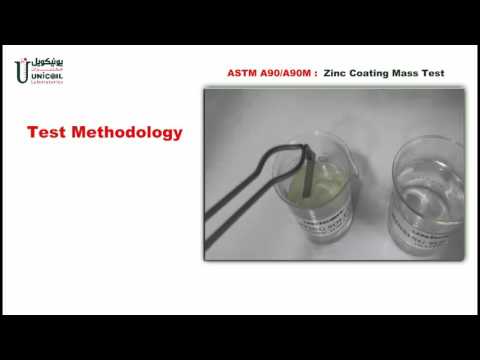
Zinc Coating Mass
Standard : ASTM A90
Laboratory analysis is considered the most accurate method for measuring the mass of the zinc coating.
Device used : Analytical precision weighing balance.
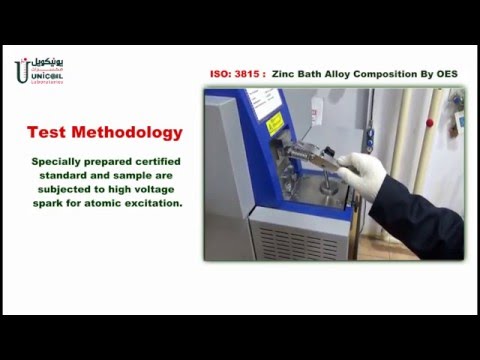
Zinc Purity
Standard: ISO 3815
The chemical compositions of zinc and zinc alloys are measured to determine the percentage contents of zinc, aluminum, iron, cadmium, lead, tin, magnesium, copper, and antimony.
Device used: Optical emission spectrometer.
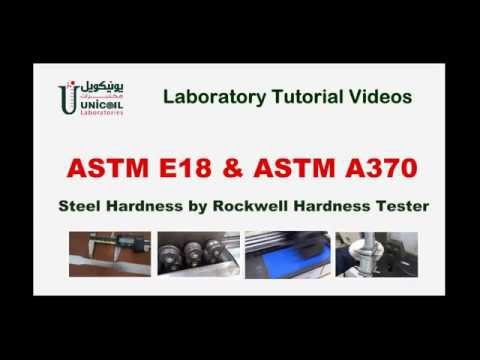
Rockwell Hardness
Standard : ASTM E18 & ASTM A370
The hardness of galvanized steel is measured on both regular and superficial scales.
Device used : Rockwell hardness tester.

Tensile Testing
Standard : ASTM E8 & ASTM A370
The yield strength, tensile strength, and percentage elongation of galvanized steel sheet are measured.
Device used: Universal tensile testing machine.

Coating Bend Test
Standard : ASTM A653M
The coating bend test is performed to determine the adhesion of the zinc coating to the steel surface.
Device used: Bench vice

Lock Forming
This simulation test is to confirm the proper adhesion of the zinc coating to the steel surface.
Device used: Lock former

Reverse Impact Test
The reverse impact test is a destructive test to confirm the proper adhesion of the zinc coating to the steel surface.
Standard: ASTM 2794
Device used: Impact tester

Lead in Paint Test
Standard : ASTM E1613:2012
Laboratory analysis is considered the most accurate method for measuring the lead level in paint.
Device used : Inductively coupled plasma device
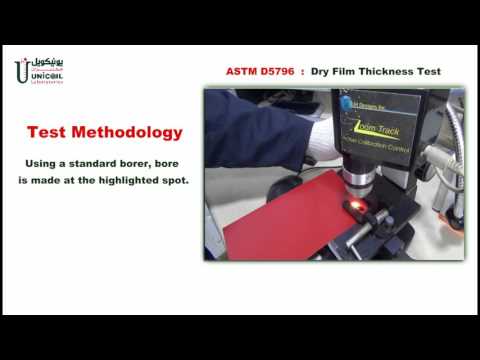
Dry-Film Thickness Test
Standard: ASTM D5796-99
The dry-film thickness (DFT) is measured using a commercially available machine supplied by DJH Designs. This is a accurate machine for measuring paint thicknesses.
Device used : Supplied by DJH Designs.

Spectrophotometer Color Test
Standard: ASTM D2244
This test uses a spectrophotometer to measure the color difference between standard samples and the test sample.
Device used : Spectrophotometer.
Visual Color Test
Standard: ASTM D4086
This is a very important color assessment test. Standard samples and the test sample are positioned side by side and analyzed for shade variations. Some of the colors are metameric, and are considered suitable only after being analyzed using this machine.
Device used : Color cabinet assessment.
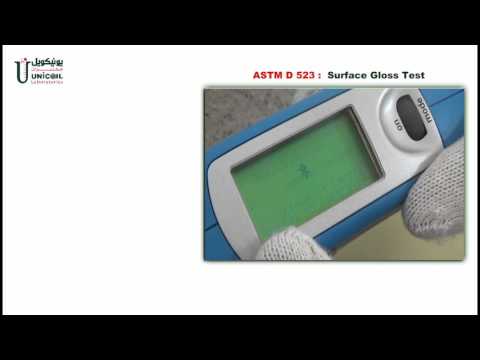
Surface Gloss Test
Standard: ASTM D523
Surface gloss relates to the light reflectance from a painted surface. This is a paint property that can be varied by the addition of matting agents or dulling agents during paint manufacture. The gloss levels include low gloss, medium gloss, and high gloss.
Device used : Glosso meter.

Pencil Hardness Test
Standard: ASTM D3363
The pencil hardness test is used to measure the hardness of the paint film. The results of this test indicates the degree of curing of the paint film. A noncured paint film has a lower pencil hardness, which makes it more likely to be damaged.
Device used: Pencil leads
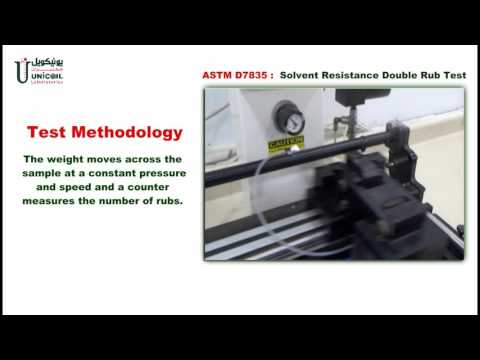
Solvent Resistance Double-Rub Test
Standard: ASTM D5402/ASTM D7835
The solvent resistance test indicates the stability of a paint film exposed to organic solvents. A greater solvent resistance indicates that the paint film is more stable and durable for outdoor exposure. This test is performed using the organic solvent methyl ethyl ketone.
Device used: Solvent Resistance machine
“T”-Bend Test
Standard: ASTM D4145
The “T”-bend test is a very important test for ensuring the adhesion of the paint film during critical bending of the metal sheet. A “0” T bend is the most critical and 5 T is less critical.
Device used: Bench vice

Reverse Impact Test
Standard: ASTM D 2794
The reverse impact test is a destructive test. This test involves dropping a mass of about 2 kg from a height of about 70 cm, thereby exerting a falling force of 13 Joules. The force will vary according to the thickness of the sheet.The associated energy transfer will result in loosening of the paint film. The stability of the coating is measured by applying tape on the reverse direction of the impact area.
Device used: Impact Tester.
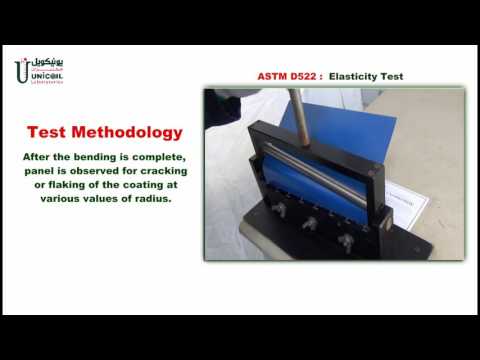
Elasticity Test
Standard : ASTM D522
Elasticity refers to the flexibility of the paint film when the metal sheet is subjected to radius bending. The paint film should not crack while bending the metal. The elasticity is measured with the aid of an eye piece after magnifying an image of the paint surface.
Machine used : Conical mandrel tester.

Salt Spray Test
Standard : ASTM B 117
This is an accelerated corrosion test for organic coatings. Both salt performed in a salt spray cabinet.
Device used: Salt spray cabinet.
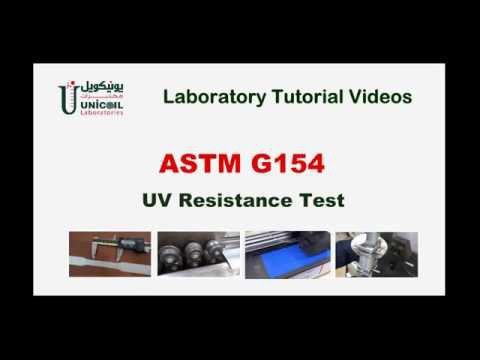
UV Resistance
Standard : ASTM G154
This is an accelerated test of the UV resistance of prepainted steel products.
Device used: QUV test cabinet.
Information provided in these videos are for demo purpose only to provide an idea of how the tests are performed on Galvanized Steel Coils & Sheets and on Pre-painted Steel Coils & Sheets. Interested persons wanting to know more details about these tests can contact UNICOIL laboratories at lab.test@unicoil.com.sa
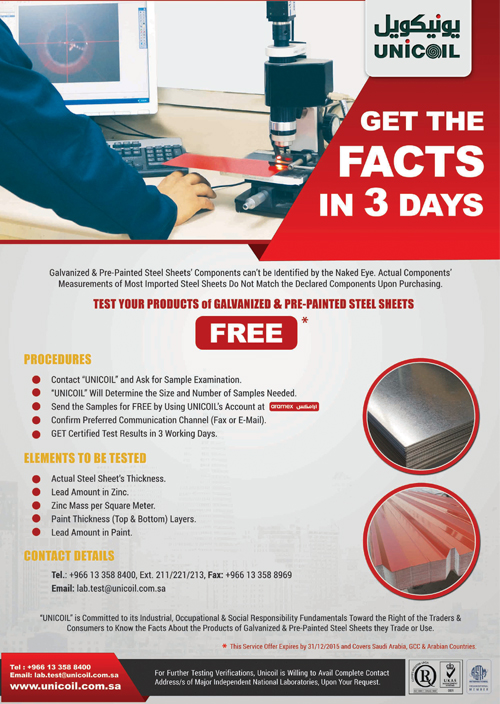
FREE Galvanized Steel and Prepainted Galvanized Steel Sheet Testing
UNICOIL offers free laboratory testing services, since the constituent components of galvanized and prepainted steel sheets cannot be identified by the naked eye. The actual components measured in most imported steel sheets do not match the declared components.
The following parameters are tested free of charge in our laboratories:
| Galvanized Steel Parameters | Units |
| Total coated thickness—metal | mm |
| Zinc coating mass | gsm |
| Lead level in zinc | ppm or mg/kg |
| Prepainted Galvanized Steel Parameter | Units |
| Total coated thickness—painted | mm |
| DFT (top and bottom) | microns |
| Zinc coating mass | gsm |
| Lead level in paint (top and bottom) | ppm or mg/kg |
To send your request for a free laboratory test for galvanized steel and prepainted galvanized steel sheets, please contact your sales account manager or customer services, or send your inquiry using the button below: